
Early Detection Matters: Look, Feel, Check, Act for Breast Health

A small change can be easy to explain away. Maybe it’s “just hormones,” “just aging,” or “probably nothing.” And yes, many breast changes are not cancer. But early detection starts with paying attention, then taking the next right step instead of waiting and worrying.
“Early detection” doesn’t mean finding cancer on your own. It means noticing what’s new or unusual, getting the right medical advice, completing recommended tests, and following through if more care is needed.
This post is informational only and doesn’t replace medical advice. If something feels off, a qualified health professional is the right person to guide you.

Early detection starts with knowing your normal
Breast awareness is simple, but it matters. It means being familiar with how your breasts or chest usually look and feel, so you’re more likely to notice a change.
You don’t need to check in a perfect way. You don’t need a special routine that makes you anxious. A good approach is to notice your body during normal moments, like showering, getting dressed, applying lotion, or looking in the mirror.
Changes worth paying attention to can include:
A new lump, thickening, or hard area
Swelling in part or all of the breast
A change in breast size or shape
Skin dimpling, puckering, redness, or scaling
Nipple changes, such as turning inward
Nipple discharge that’s new, bloody, or happens without squeezing
Ongoing breast or nipple pain in one spot
A lump or swelling under the arm or near the collarbone
These signs don’t automatically mean breast cancer. Infections, cysts, hormonal shifts, injury, and other benign conditions can also cause changes. But new or unusual symptoms deserve attention.
The key is this: don’t ignore a change just because you’re busy, scared, or unsure.
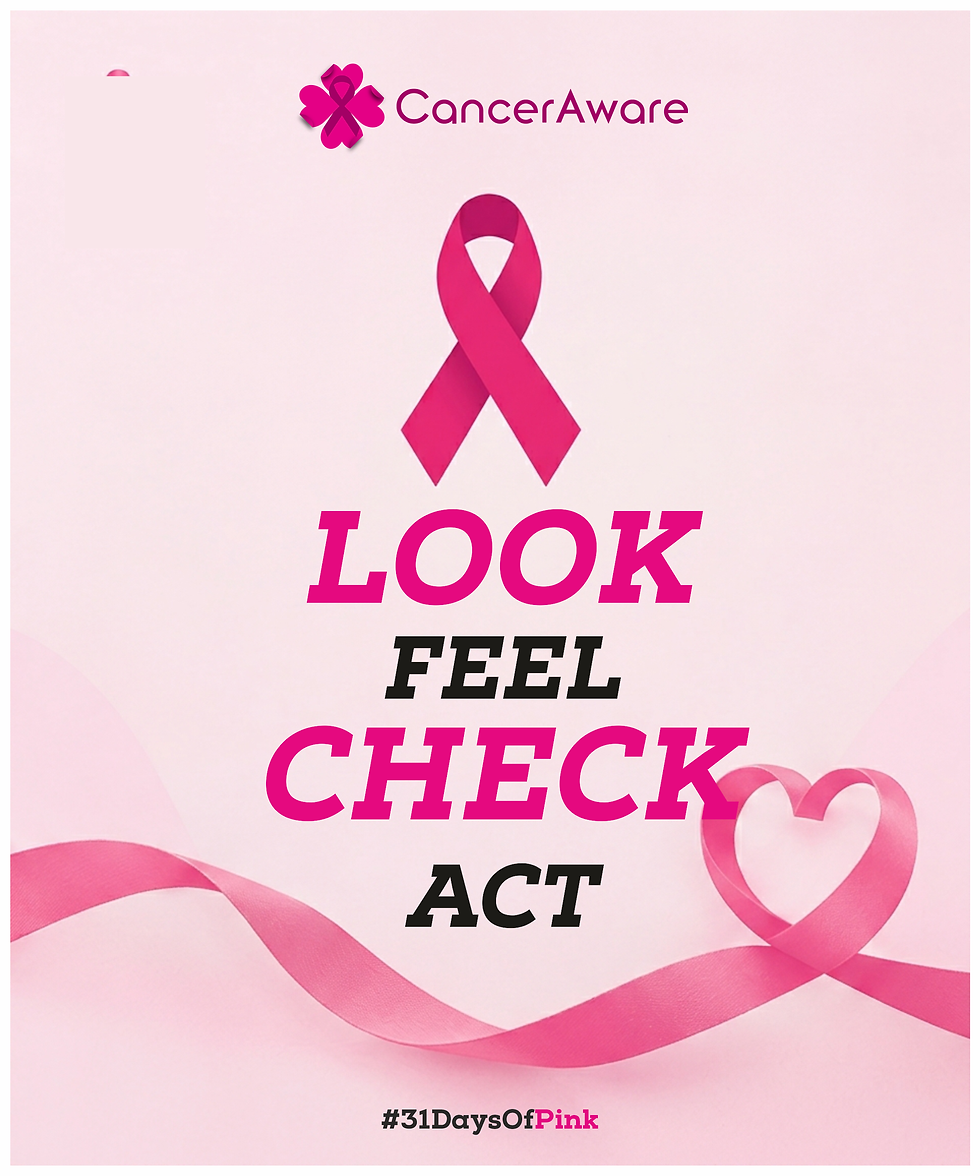
Look, feel, check, act is a simple way to remember it

Breast health advice can feel overwhelming, so keep it practical.
LOOK
Look for visible changes in the mirror. Notice skin texture, swelling, nipple changes, or shape changes.
FEEL
Feel for anything new or different. This can happen in the shower, lying down, or while getting dressed.
CHECK
Check with a healthcare professional if something is new, unusual, or doesn’t go away. Also check what routine screening is recommended for your age, history, and risk level.

ACT
Act on the next steps. Book the test. Go to the appointment. Ask questions. Follow up on results.

This part matters a lot. Early detection isn’t finished when you notice a change. It continues through the whole process.

Seeing a doctor is not overreacting
A lot of people delay care because they don’t want to “make a fuss.” Please don’t let that thought stop you.
If a breast change is new, persistent, or worrying, seeking medical help is a sensible choice. A clinician may ask about your symptoms, personal health history, family history, menstrual cycle, medications, pregnancy or breastfeeding, and any past breast concerns.
They may also do a clinical breast exam. Depending on what they find, they might recommend imaging or other tests.
Common next steps can include:
A mammogram
Breast ultrasound
Breast MRI in certain situations
Monitoring the area for a short time
A biopsy if a suspicious area needs to be checked more closely
The right test depends on the symptom, age, breast density, medical history, and clinical findings. That’s why it helps to get personalized advice rather than guessing.
During breast cancer awareness month, there’s often a lot of talk about screening. That’s helpful, but symptoms still matter. Routine screening and symptom checks work together.
Screening is for people without symptoms
Screening means looking for signs of cancer before symptoms appear. Mammograms and breast ultrasound scans are the most common breast cancer screening tests. They can find some cancers early, sometimes before a lump can be felt.
Screening guidelines can vary by country, age and sometimes, risk level.

Follow-through is part of early detection too
Booking the first appointment is a big step. But early detection also means staying with the process until you have clear answers.
That can look like:
Calling back if results don’t arrive when expected
Going to the recommended imaging appointment
Asking what your results mean in plain language
Getting the biopsy if it’s recommended
Scheduling the follow-up visit
Asking who to contact if symptoms change
If the result is benign, that’s reassuring. Still, ask what to watch for and when to return.
If more testing is needed, try not to assume the worst. Extra imaging does not always mean cancer. Sometimes doctors need a closer look because breast tissue can be complex.
If breast cancer is diagnosed, timely access to appropriate treatment matters. Treatment may include surgery, radiation therapy, chemotherapy, hormone therapy, targeted therapy, immunotherapy, or a combination. The plan depends on the type and stage of cancer, test results, overall health, and personal preferences.

The takeaway is simple
Early detection means more than “catch it early.” It means noticing, checking, testing, and following through.
Remember the four steps:
LOOK. FEEL. CHECK. ACT.
Look for changes. Feel what’s normal for you. Check with a healthcare professional when something is new or unusual. Act on recommended exams, tests, and treatment.
Save this reminder. Share it with someone you care about. A gentle nudge can help someone stop waiting and get the care they need.


Comments